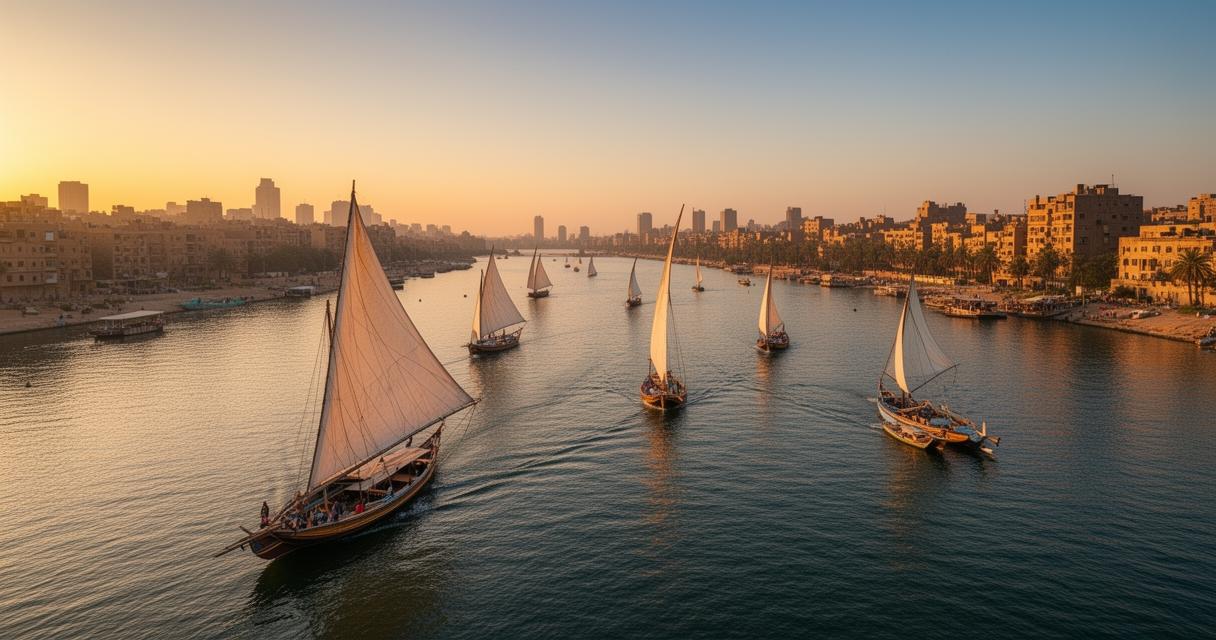
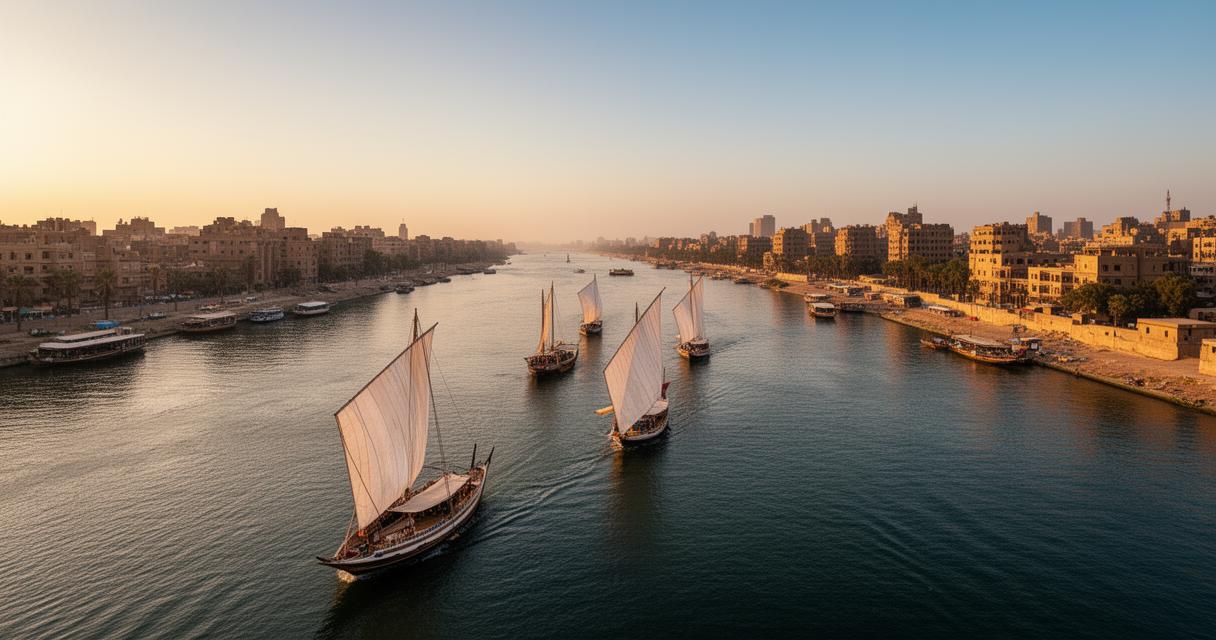
Egypt has long captured the imagination of travellers, with its ancient pyramids, sun-baked temples and the timeless waters of the Nile drawing visitors from every corner of the globe. Yet alongside the wonder of exploring tombs and monuments that have stood for thousands of years, sensible travellers want to understand what to expect in terms of safety, health and practical logistics before they set off. This guide brings together the essential knowledge needed for a smooth and enjoyable trip, whether you're wandering the markets of Cairo or sailing towards Aswan.
In brief
- Egypt's major tourist destinations, including Cairo, Luxor, and Red Sea resorts, are generally stable and safe for visitors.
- Travelers should remain vigilant against minor nuisances like aggressive touts and pickpocketing in crowded tourist areas.
- Renting a car is discouraged due to chaotic traffic; visitors are advised to use private drivers or reputable tour operators instead.
- Specific regions in the Sinai Peninsula and remote border areas carry higher security risks, necessitating careful planning and professional coordination.
- Health precautions are essential, including staying hydrated due to extreme heat and avoiding tap water to prevent common stomach illnesses.
- Comprehensive travel insurance is strongly recommended to handle potential health issues or travel disruptions during the trip.
- Understanding local customs, such as the standard ten percent tipping practice, can help travelers avoid unnecessary discomfort.
Understanding Safety Considerations and Regional Risks in Egypt
The overall security situation across Egypt's main tourist areas is considerably more stable than many people assume, and the country welcomes millions of visitors each year without major incident. Popular hubs such as Cairo, Giza, Luxor, Aswan and the Red Sea resorts are generally regarded as safe for tourists, with a visible tourist police presence dedicated specifically to assisting and protecting travellers. That said, no destination is entirely without its quirks, and Egypt is no exception. Most safety concerns reported by visitors relate not to serious danger but to the persistent nuisance of aggressive touts, unsolicited offers, and the occasional bout of pickpocketing in crowded places. Staying alert in busy markets, confirming prices before agreeing to any service, and politely but firmly declining unwanted attention will go a long way towards a stress-free experience.
Navigating Cairo and Luxor: What First-Time Visitors Need to Know
Cairo's chaotic energy can feel overwhelming to first-time visitors, and the traffic alone is enough to make most people grateful they aren't driving themselves. It's widely recommended that tourists avoid getting behind the wheel, as local road conditions and driving habits differ enormously from what most Western visitors are used to. Instead, arranging a private guide and driver, or booking onto small group tours, tends to make the whole experience far more manageable. Luxor, home to the extraordinary Valley of the Kings, presents a quieter pace than the capital but still requires the same common-sense approach: keep valuables secure, be wary of haggling culture, and don't be afraid to walk away from a deal that feels off. Public transportation, including trains and buses, is available and generally reliable for longer journeys between cities, though it can be crowded and occasionally inefficient during peak periods.
The Sinai Peninsula and Remote Destinations: Planning for Secure Travel
Whilst the terrorism risk across Egypt as a whole remains low, certain border regions and parts of the Sinai Peninsula carry a higher level of risk than the well-trodden tourist trail. Travellers heading to remote spots such as Abu Simbel or the desert oases should plan their route carefully and stay informed about current conditions before setting off. Security checkpoints and a strong police presence are common in these areas, a legacy of past incidents that has led authorities to take extra precautions around popular sites. Rather than being alarming, this heightened vigilance is generally reassuring, and most visitors barely notice the checkpoints beyond a brief pause. Choosing a reputable operator such as DeWonder travel, which organises small group tours, can significantly reduce uncertainty and ensure that logistics in these more remote regions are properly managed.
Health Precautions and Travel Insurance for Your Egyptian Journey
Beyond security, health considerations play a significant role in enjoying Egypt without any unwelcome surprises. The climate itself demands respect, with summer temperatures regularly climbing between 29 and 41 degrees Celsius, making heatstroke prevention and steady hydration absolutely essential. Winters are far milder, typically ranging from 17 to 24 degrees, making the cooler months a popular choice for those keen to explore without the punishing midday sun. Medical facilities in Cairo, Luxor and other major cities are generally reliable, though options become more limited the further one travels from these urban centres, which is another reason to plan remote excursions thoughtfully.
Food and water safety: protecting your health whilst travelling
Tap water in Egypt isn't considered safe for drinking, so sticking to bottled water throughout your stay is a simple habit that prevents most common travel illnesses. Egyptian cuisine tends to come in generous portions, packed with local specialities that are well worth sampling, though it's wise to avoid anything that looks like it's been sitting out too long or comes from a source you're unsure about. Avoiding questionable food from unfamiliar street stalls, particularly in the height of summer, helps sidestep the kind of stomach upsets that can derail an otherwise wonderful trip.
Why travel insurance is essential for unexpected circumstances
Given the combination of intense heat, occasional infrastructure challenges and the simple unpredictability of travel, having proper travel insurance in place before departure isn't something to overlook. Whether it's a minor health issue, a cancelled flight, or something more serious, insurance provides peace of mind that allows you to focus on enjoying the pyramids and temples rather than worrying about worst-case scenarios. It's also worth understanding tipping culture before you arrive, as a service charge of around ten per cent is generally expected at restaurants, and having clarity on this beforehand removes an unnecessary source of discomfort during your travels.
Visa Requirements and Staying Connected with Authorities
Before boarding your flight, it's worth taking time to understand Egypt's entry requirements, as visa regulations are a fundamental part of planning any trip to the country. Getting this sorted early prevents unnecessary stress upon arrival and ensures your journey starts smoothly.
Entry Regulations and Visa Essentials for Egypt
Most visitors will need to arrange a visa either in advance or upon arrival, depending on their nationality, and it's always sensible to check the latest requirements with official sources before travelling. Standard Arabic is the official language of Egypt, though English is widely spoken throughout the tourism industry, meaning communication rarely poses a serious barrier. Given the country's Muslim culture, dressing conservatively is generally advised, particularly when visiting religious sites, and this small gesture of respect is appreciated by locals. The Egyptian pound is the local currency, and whilst ATMs are widely available in cities, carrying cash is often preferable for smaller transactions, markets and public restrooms, which frequently require a small fee and may not always have adequate supplies.
Maintaining Contact with Embassies and Monitoring Travel Advisories
Throughout your stay, keeping in contact with your embassy and checking the latest travel advice remains one of the smartest habits any visitor can adopt, particularly regarding safety updates concerning the Sinai Peninsula and other border regions. Conditions can shift, and staying informed ensures you're never caught off guard. Environmental factors are also worth bearing in mind, as pollution, particularly in Cairo, can affect those with respiratory sensitivities, so it's worth planning accordingly. Accommodation across Egypt ranges from luxury hotels to more modest local options, often available at considerably better prices than equivalent stays in Western countries, giving travellers plenty of flexibility regardless of budget. With a bit of preparation, sensible precautions and genuine curiosity, Egypt offers an unforgettable journey through history that rewards those willing to embrace its rhythms.